© 2026 All Rights Reserved.

WELCOME TO

Central Coast Behaviour Support

NDIS REGISTERED SPECIALIST

Practical, Person-Centred Support That Creates Meaningful Change

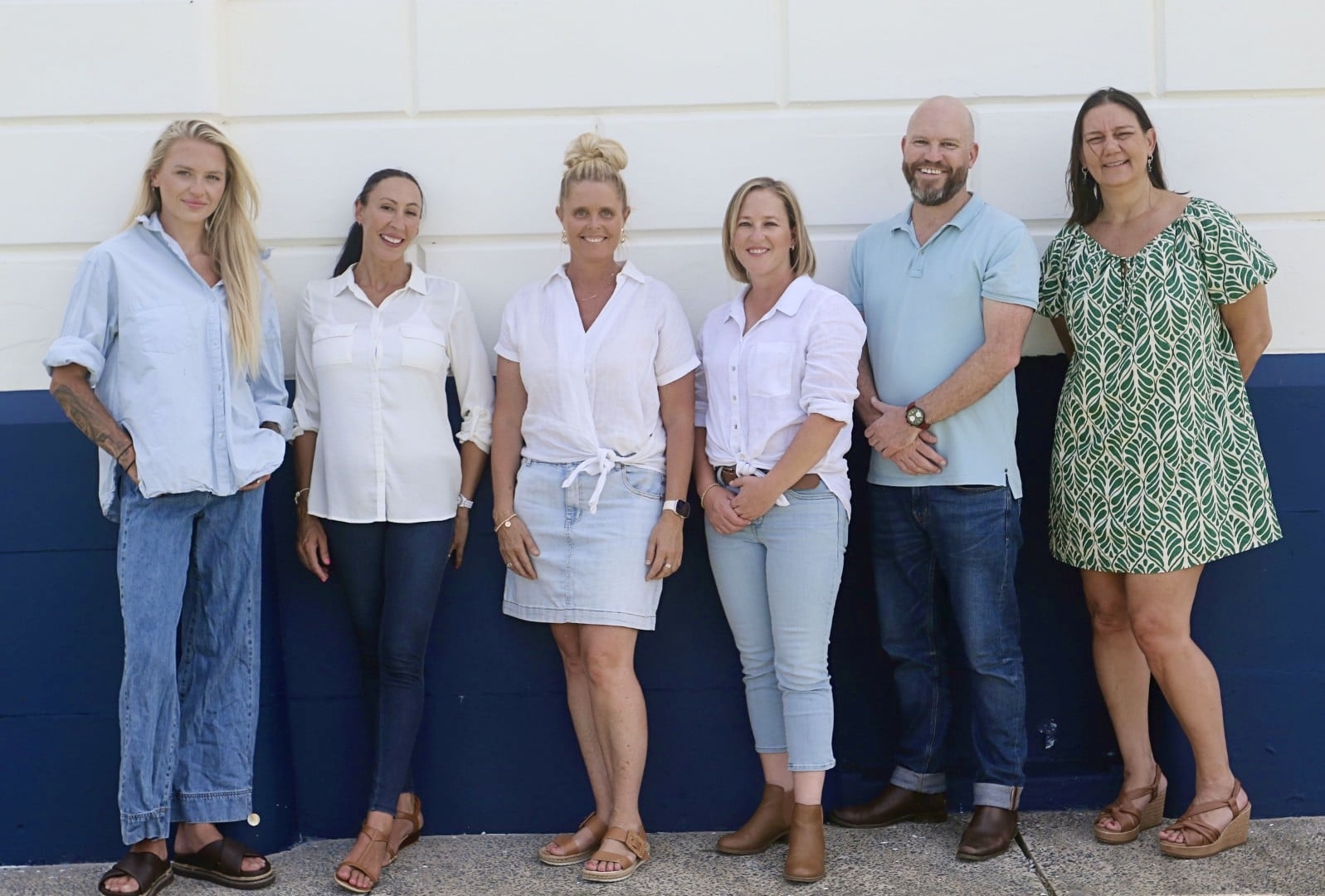
We’re a friendly group of  behaviour support practitioners who work with children, young people and adults across the Central Coast and Sydney (Liverpool)

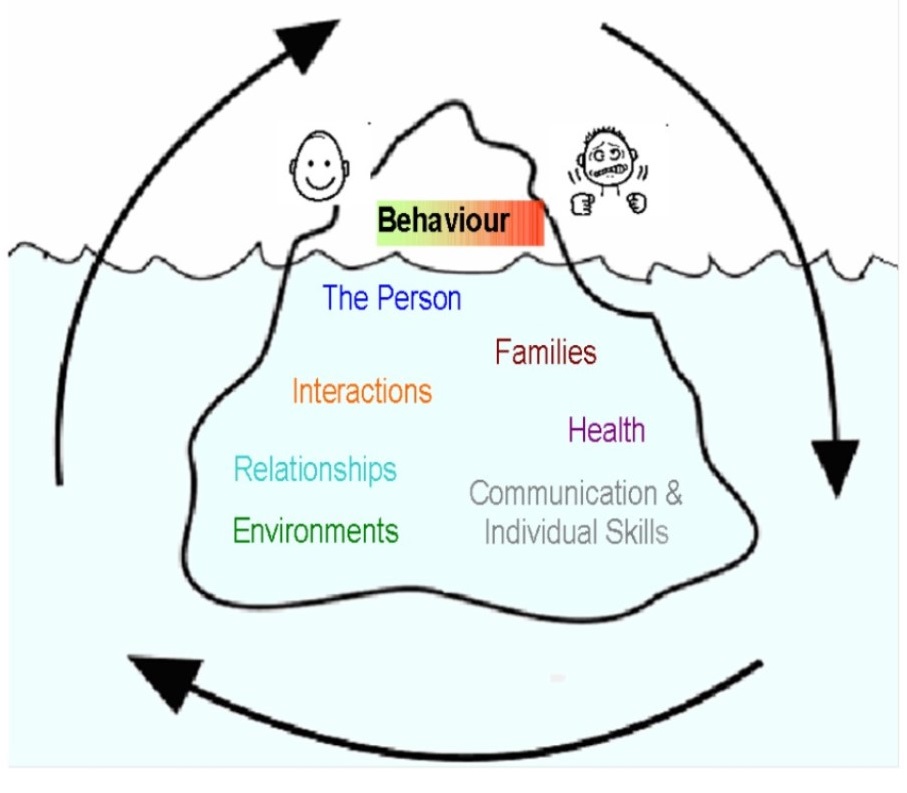
Our practitioners take the time to understand each person, the reasons behind behaviours of concern and what matters most to them. We develop practical, evidence-informed strategies that build skills, strengthen independence and support a better quality of life—while working closely with families, carers, schools and support teams.

Manager - Elise Taylor

Our Services

Functional Behaviour Assessments

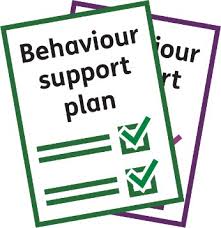
Interim Behaviour Support Plans

Comprehensive Behaviour Support Plans

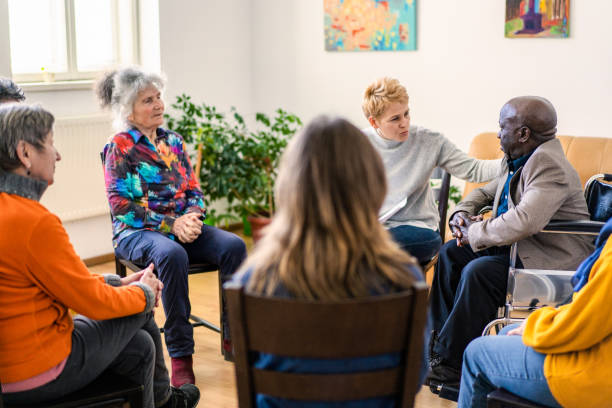
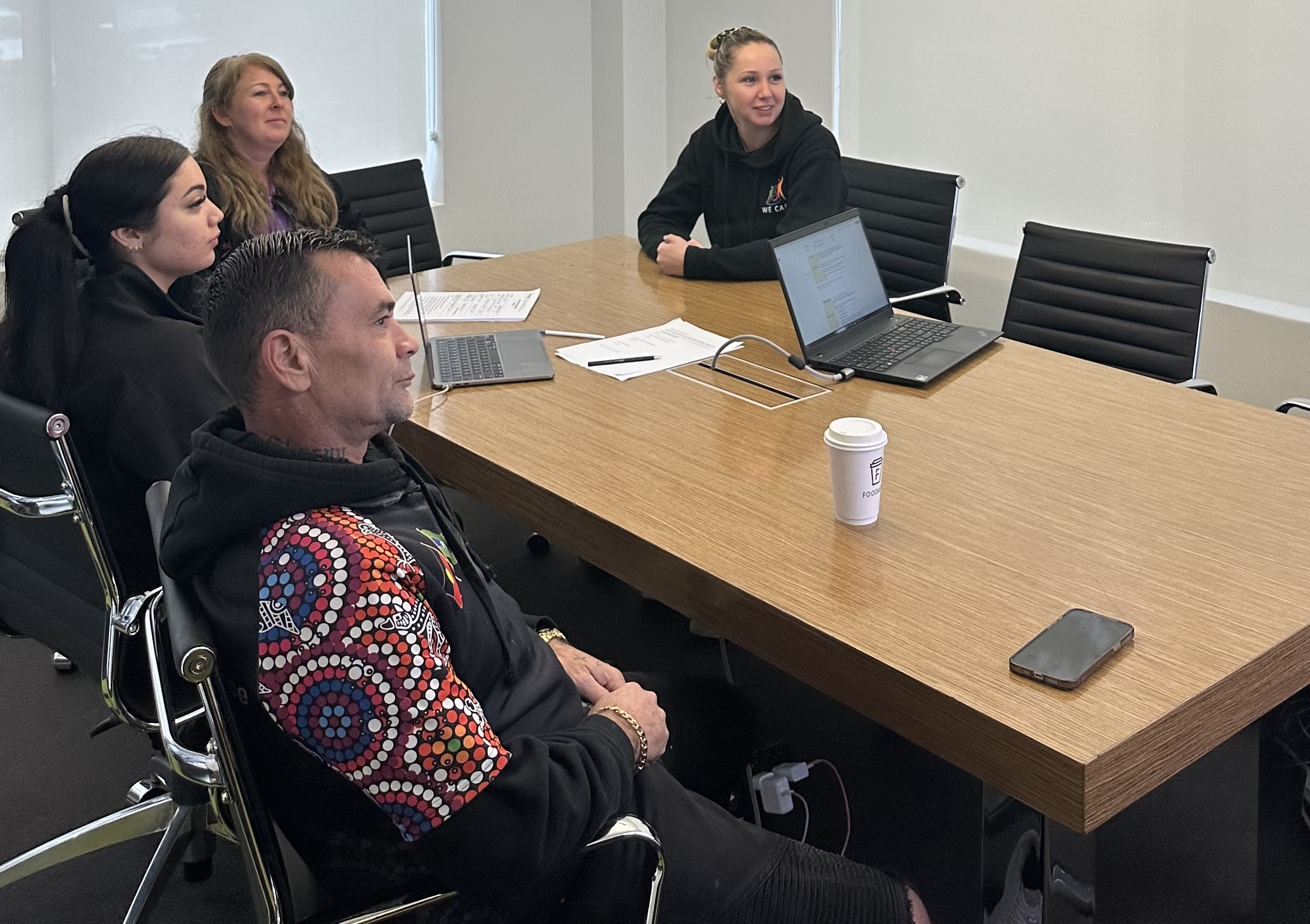
Collaboration with families,  schools & allied health

Collaboration with disability providers

Staff and carer training

NDIS and Disability Specialists

We provide compassionate, trauma-informed behaviour support to individuals across the following areas

01

Autism Spectrum Disorder (ASD)

Attention Deficit Hyperactivity Disorder (ADHD)

Pathological Demand Avoidance

02

Intellectual Disability

Alzheimer’s and Dementia

Acquired Brain Injury (ABI) 

Traumatic Brain Injury (TBI)

03

Mental Health including:

Schizophrenia

Bipolar Disorder

Borderline Personality Disorder (BPD)

Depression

Anxiety

Post-traumatic Stress Disorder (PTSD)

Forensic Mental Health

Specialist Behaviour Support for participants under the Pathways to Community Living Initiative (PCLI) transitioning from long-stay hospital settings.

04

Substance Use and Dual Diagnosis

What is Positive Behaviour Support

An NDIS Behaviour Support Practitioner is a professional recognised by the NDIS Quality and Safeguards Commission to conduct functional behaviour assessments and create positive behaviour support plans for participants. They aim to improve quality of life and reduce or eliminate behaviours of concern.
Core Responsibilities
Conduct functional behaviour assessments to find the causes of behaviours.
Write and update person-centred Positive Behaviour Support Plans.
Provide behaviour support plan training to families, support workers, and caregivers on behaviour strategies.
Work to reduce and eliminate restrictive practices safely.
Monitor plan progress and effectiveness over time.